Make a Game With AI: A Non-Coder Built an RPG Twice Skyrim's Size
Can you make a game with AI if you can't code? One developer used vibe coding with Claude Code, Tripo AI, and Blender to build a 12 × 12 km open-world RPG. Here are his tools, workflow, and critic loop, plus the claims to take with a grain of salt.
A post has been blowing up on X these past couple of days. Mike Houser, a developer who says he "can't code," built an open-world RPG called AOD - Age of Dragon from scratch with AI. He says the map is about twice the size of The Elder Scrolls V: Skyrim. He did it with vibe coding, the approach everyone is talking about right now: you don't write the code yourself, you tell an AI tool like Claude Code what you want in plain language. In under two days, the post passed 320,000 views and more than two thousand bookmarks.
"Can't code" and "twice the size of Skyrim" sound like pure clickbait. But in the thread he lays out his process, his tools, and his numbers, and there's a lot worth learning from. This post sums up how he made a game with AI, the tools, the workflow, and the numbers, along with my own experience using AI to make a 3D game.
Age of Dragon: what he built with AI
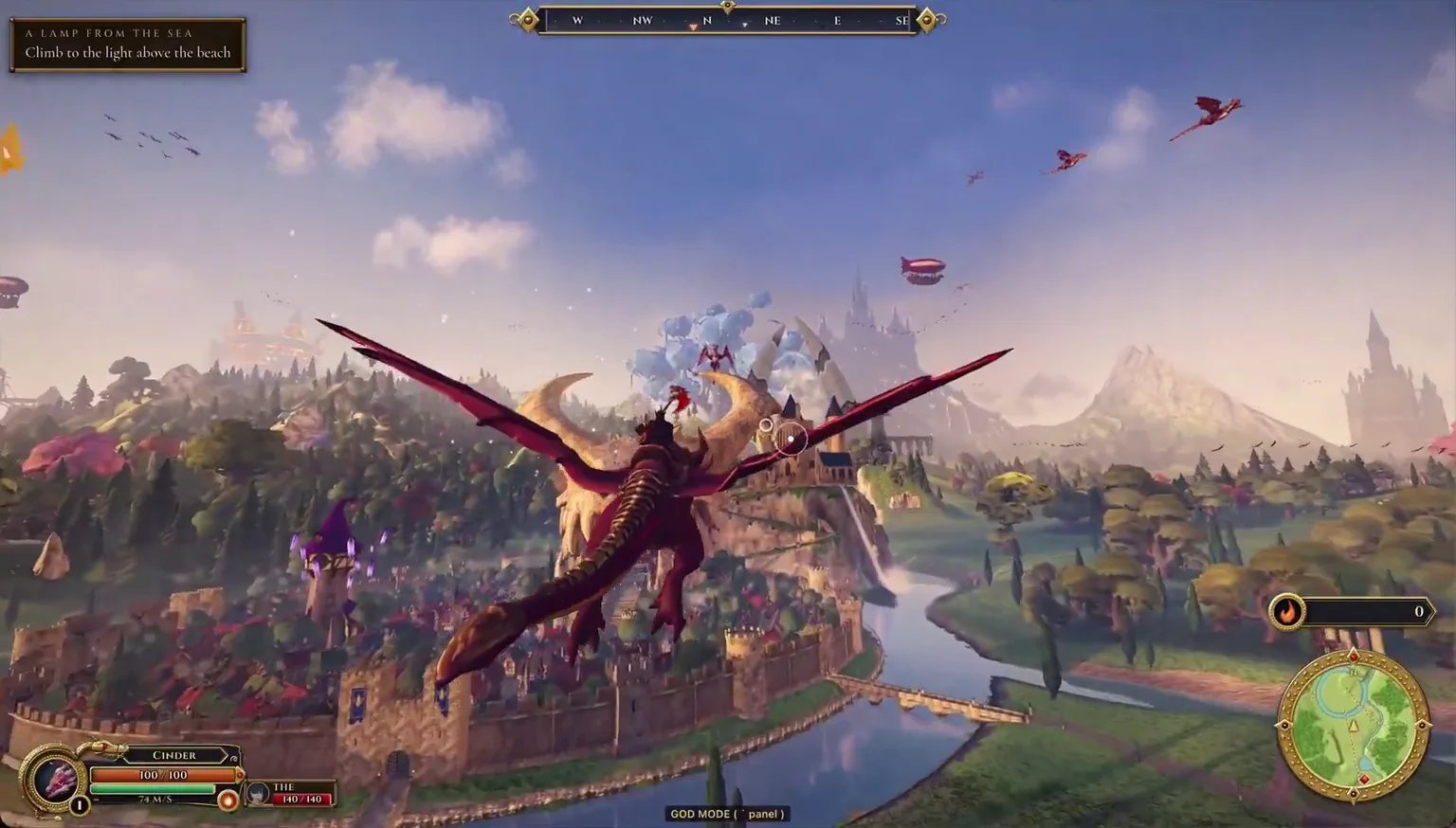
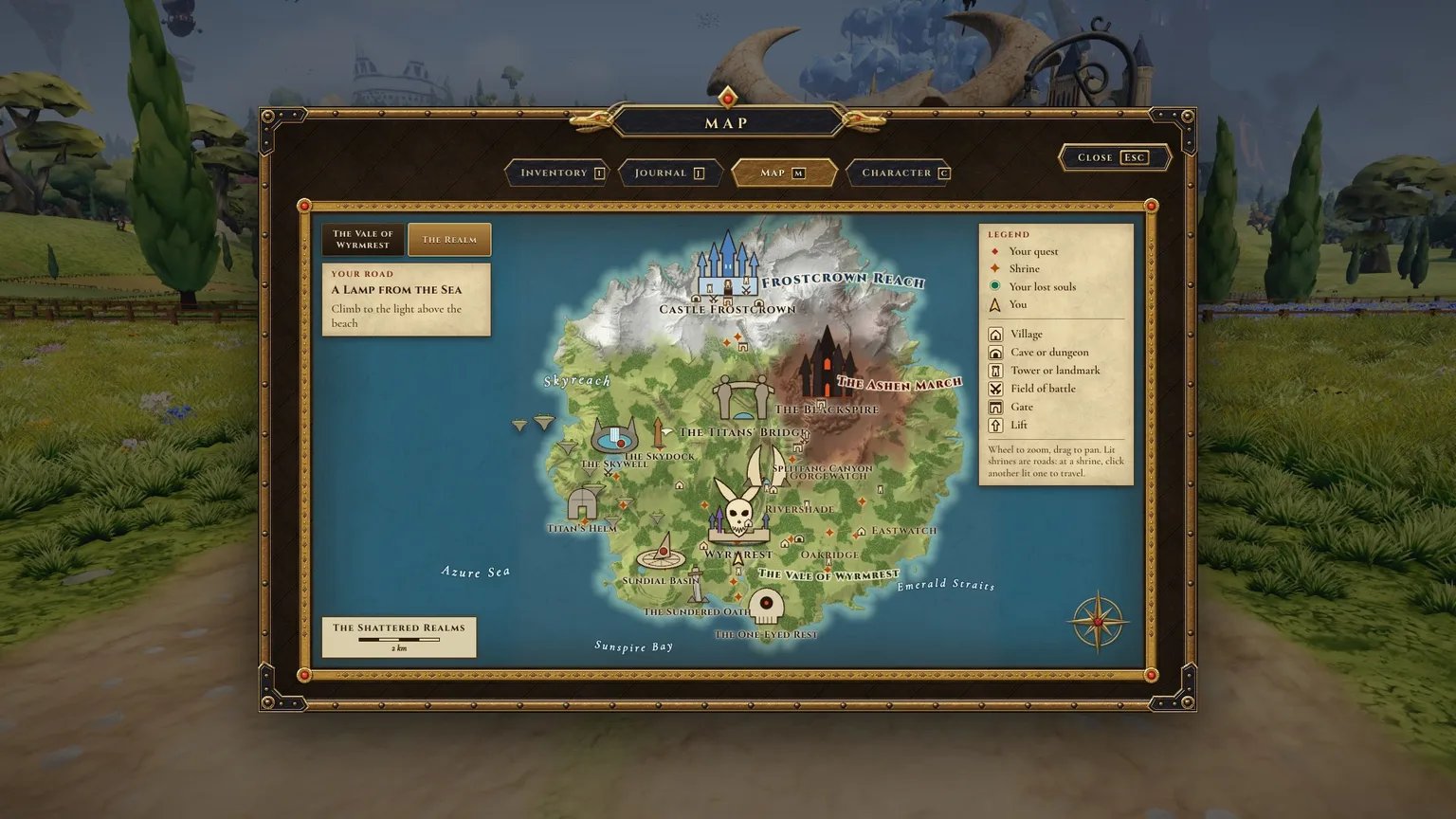
Here are the numbers he shared (the game is still in development):
- World: a 12 × 12 km island with 6 regions, 79 locations, and 9 dungeons. About 45 minutes to cross on foot, under 4 minutes on a dragon.
- Content: 34 quests, 56 enemy types, 20 bosses, 146 items.
- Art: 482 3D models, 694 animations.
- Audio: 544 voice lines, 772 sound effects, 37 music tracks.
- Code: 80,000 lines of code, 577 commits, over 85,000 tool calls, and more than 21 billion tokens.
- QA: 25 rounds of critique, covering 19,347 screenshots.
The game is built with Three.js and runs right in the browser.
AI game development tools: Claude Code, Tripo AI, Blender
What for | Tool |
|---|---|
Writing code and running the whole pipeline | Claude Code (Opus 5.5), Fable 5.2 |
Landmark concept art | GPT-6 Astra |
3D models | Tripo AI |
Rigging and animation | Blender (driven by Claude) |
Voice, sound effects, music | ElevenLabs (via fal) |
Game engine | Three.js |
He says the cost was roughly the $200-a-month Claude subscription, plus some API usage and other tools, for an estimated total of around $400.
How he made a game with AI, step by step
1. Concept art first, then the world
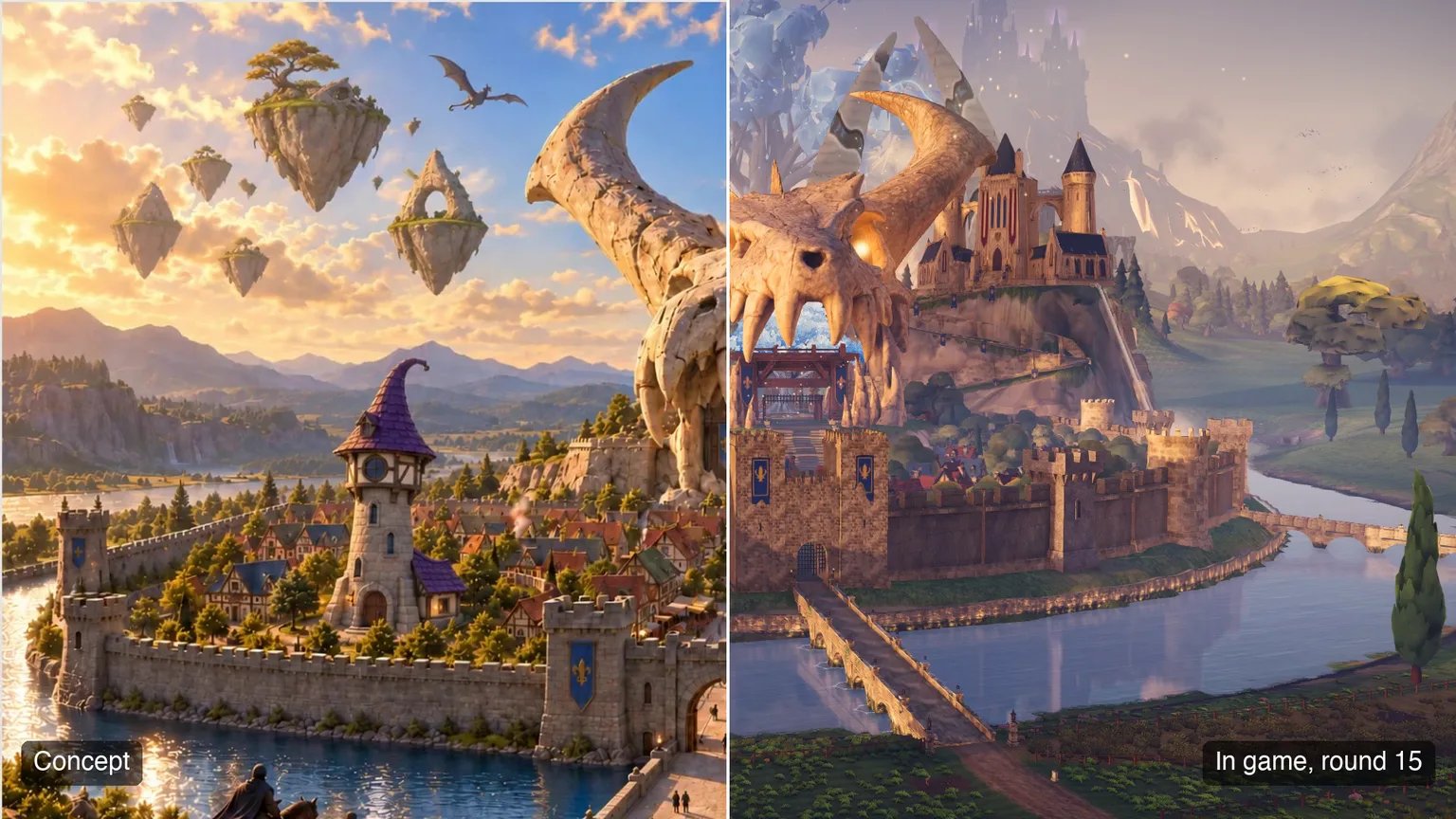
His starting point wasn't code. It was pictures. He figured out the fantasy world he wanted to play in, had AI draw concept art for every landmark, and then built everything to match those images.
There's one line he really stresses: the concept art is the secret. Without strong reference images, the model just "improves" things into something generic.
I couldn't agree more. AI is great at following a reference, but when you ask it to imagine on its own, you usually get the average of everything you've already seen.
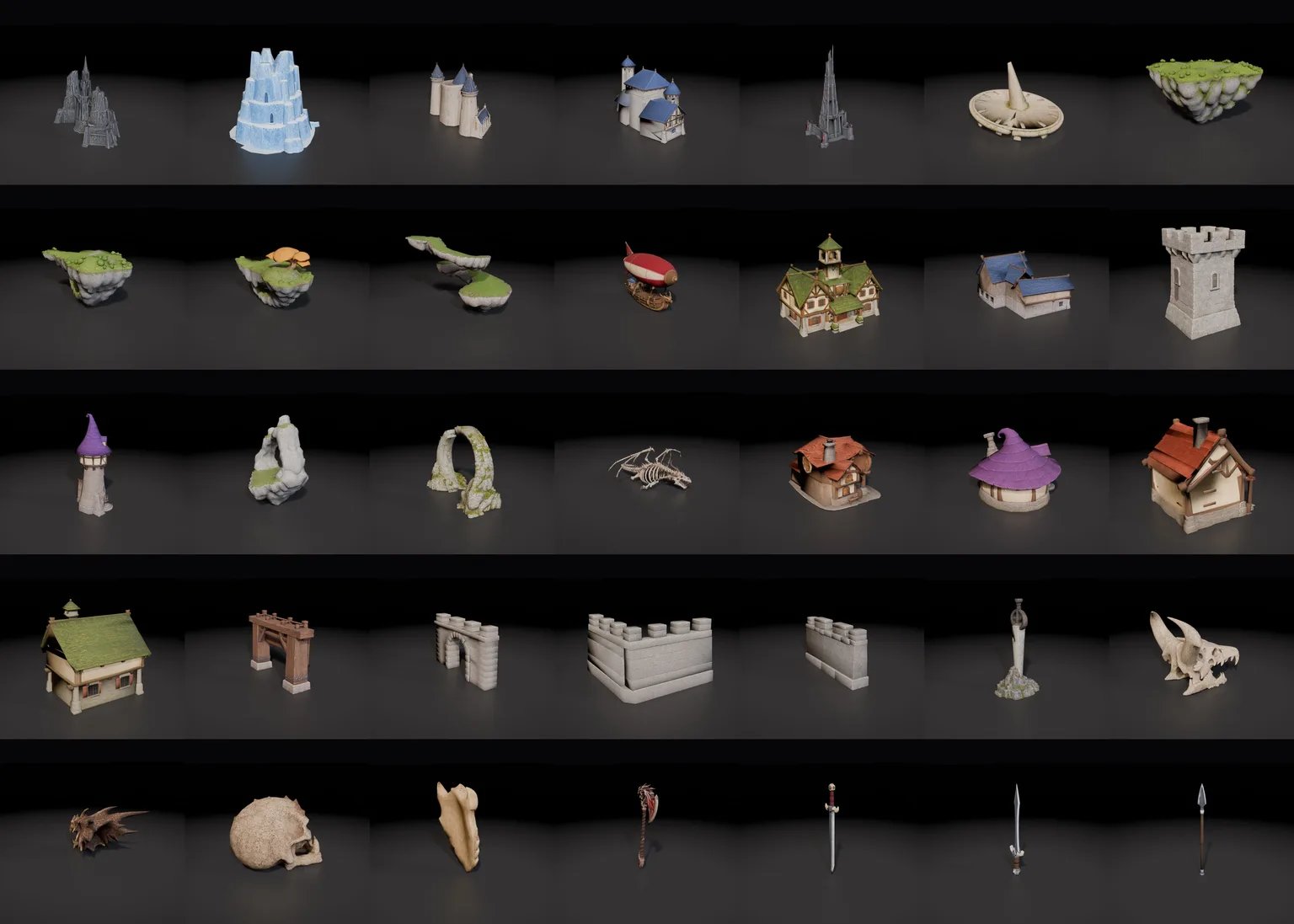
2. Every character and prop is a Tripo AI 3D model
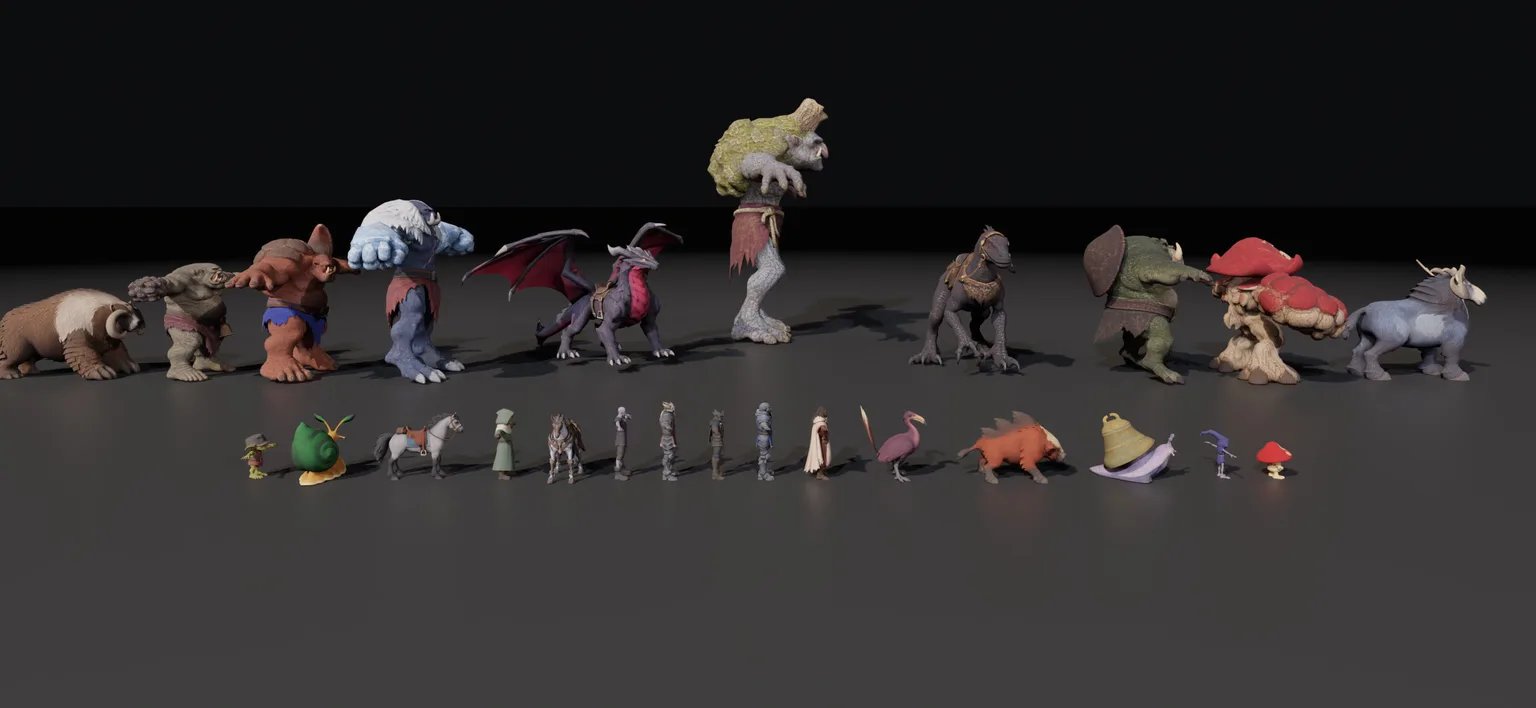
Every character, monster, castle, and prop in the game is a 3D model generated from an image with Tripo AI. There are more than twenty kinds of trees alone. He posted screenshots of 60 models and says they're all straight out of Tripo, with no touch-ups.
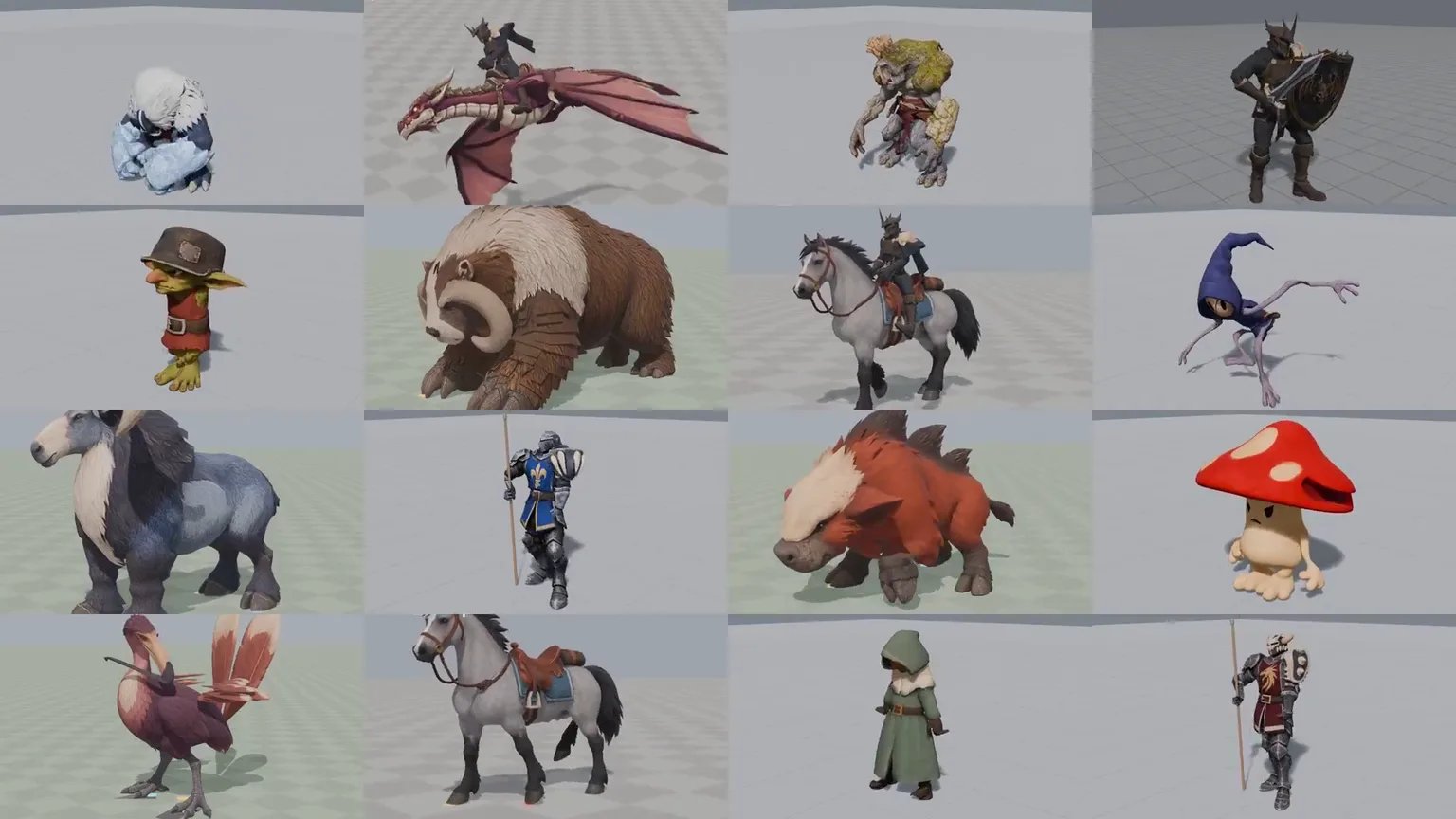
3. Claude rigs and animates in Blender
Once the models were generated, he had Claude drive Blender. All the characters share one skeleton, and the motion-capture animations are retimed to match each character's weight. His advice: just install Blender and tell the LLM to use it.
4. The critic loop: Claude Code agents pick each other's work apart
To me, this is the most valuable part of the whole thread. He runs two loops:
- AI critic loop: every round, screenshots are taken from the same camera angles and handed to a critic agent that "can't see the code." It scores each shot from 1 to 10 against the concept art. A fixer agent then works on the lowest-scoring notes, and everything gets scored again. It all runs on Claude Code.
- Playing it himself: while he plays, he writes down anything that feels off. Each note becomes a task for an agent. Once it's fixed, he plays again.
The key is that the critic always gets the same camera angles and the same standard (the concept art), so you can actually compare progress from round to round instead of going on gut feeling every time. He says it himself: AI can blow through the tedious work fast, but the last bit of magic still comes from playing and fixing, over and over.
The limits of making a game with AI: what to take with a grain of salt
- "Twice the size of Skyrim" means map area, not amount of content. 34 quests is a long way from Skyrim's hundreds, and his own numbers make that clear.
- The "built in a few days" claim doesn't add up: the main post says a few days, another says 4 days, but he also mentions quitting his job two months ago to work on it, and the game is still in development.
- So far there are only videos, no public playable build. How it feels to play, how it performs, and how buggy it is are all still unknown.
- He's a Tripo partner himself, and he dropped his own referral link in the thread. His take on Tripo is still useful, just keep that in mind.
Even with all that, one person building a playable prototype at this scale for a few hundred dollars in tool costs would have been hard to imagine two years ago.
My own experience with Tripo
I ran a similar experiment a while back. I had AI write a Blender script to build a model, and the character came out looking like a pile of building blocks. Then I switched to Tripo and turned the concept art straight into 3D, and almost all the detail survived. I wrote up the whole process in "AI 3D Model Generator Test: Blender Script vs Tripo AI Image to 3D."
Mike and I actually landed on the same conclusion: get good concept art first, then use image to 3D. It works much better than asking AI to assemble a model from scratch. One thing to watch out for: the generated models have a very high polygon count, so you need to reduce polygons before they go into a game. And the image you upload should have just one character.
Want to make a game with AI yourself? Start here
Based on his approach, here's how I'd suggest getting started:
- Draw concept art first: just one landmark and one character. Lock in the style, then expand.
- Generate models with image to 3D: crop the concept art down to a single object before uploading.
- Let AI drive Blender: reduce polygons, rig, and animate.
- Set up a critic loop: fixed camera angles, fixed reference images, and let AI score and fix.
- Play it yourself: only a human playing it can tell you how it really feels.
If there's a game or 3D project you want to make, come find me on Threads or X and leave a comment on one of my posts.